




Rajyoga: The art of connecting with the Supreme
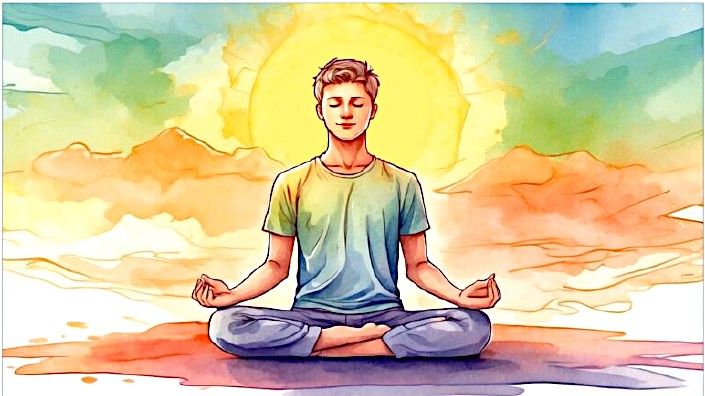
Rajyoga is a spiritual method of experiencing a living connection with god.
Rajyoga is not merely a technique of meditation; it is an art of living rightly, thinking positively, and becoming empowered from within.
Many people wish to remember God, but as soon as they sit down to meditate, the mind begins to wander. This does not mean that the mind cannot be concentrated. Rather, it means that we have not yet understood the method and psychology behind concentration and practised it sufficiently. Just as reading recipes for cooking does not make one a good cook, merely knowing about meditation is not enough; it has to be practised.
Today, the word “yoga” is associated primarily with physical postures and breathing exercises. The word yoga essentially means union or connection. In Rajyoga, this means the union or connection between the soul and the Supreme Soul. To experience this connection, it is necessary to understand the soul, the Supreme, and the relationship between them.
We often use mantra chanting, prayer beads, devotional songs or recitations as methods of remembering God. These practices are not wrong in themselves, but merely repeating words does not necessarily mean that the mind has become connected with the Divine. The mind is highly creative. While the hand may continue moving the beads and the mouth may continue repeating a mantra, the mind can wander elsewhere. Therefore, instead of merely repeating a mantra, it is more meaningful to understand its significance and enter into the feeling behind it.
Rajyoga makes remembrance of God a living relationship. It is not enough simply to say that God is our Father or Mother; the relationship has to be experienced. When we regard the Supreme as our Father, Friend and well-wisher and converse with Him, remembrance becomes more natural. We do not need a mantra to remember someone we deeply love. Similarly, an intimate relationship with the Supreme can make remembrance spontaneous.
This process of meditation can be understood through four stages. The first is soul-consciousness — recognising ourselves not merely as physical bodies, but as conscious, peaceful and pure souls. The body is a medium through which we function; the soul is the conscious being within it, responsible for our thoughts, feelings, and experiences. When we see ourselves as souls, it becomes easier to understand our relationship with the Supreme.
The second stage is God-consciousness. Having understood the nature of the soul, we turn our attention towards the Supreme. For this, we can use the “third eye” — the faculty of understanding and visualisation. Just as we can create an inner picture of an event while listening to a story, we can visualise the Supreme as a point of divine light and as the source of peace, purity, and spiritual power.
The third stage is developing a relationship with the Supreme. Rajyoga encourages us not to approach God merely as helpless seekers asking for favours, but to recognise ourselves as His children and heirs. Instead of repeatedly asking for peace, strength, or happiness, we practise experiencing ourselves as peaceful, powerful, and joyful souls. Such positive thoughts and affirmations can gradually influence our behaviour and deeply rooted patterns.
The fourth stage is conversation with the Supreme. Prayer need not be limited to memorized words; it can become a heartfelt conversation filled with love, gratitude, and intimacy. The person or idea with which we constantly connect influences our thoughts and behavior. Similarly, contemplating the qualities of the Supreme can inspire us to imbibe qualities such as peace, love, tolerance, and inner strength.
Thus, Rajyoga is not a practice confined to a particular religion or ritual, but a spiritual method of experiencing a living connection with the Supreme. Its essence is not merely to repeat words, but to understand, connect, experience, and ultimately bring that experience into our daily lives. With regular practice, meditation can cease to be something we simply “do” for a few minutes and become an art of living.
B.K. Anita is a Rajyoga teacher based in Chandigarh.