




How to be free from waste thoughts

The easy way to become free from waste is not through force, but through awareness, practice and the right use of our and intellect.
By: B.K. Pushpa
Source: The Daily Guardian https://epaper.thedailyguardian.com/2026/10/23/e-paper-today-delhi-24-october-2026/
Dated: October 24th, 2026
Just as we remove broken or unnecessary things from our homes because they occupy space and reduce the value of useful things, we must remove waste from our inner life. If good things and useless things are mixed together, we cannot fully experience the value of the former.
The seed of waste is our thoughts. When thoughts become wasteful, they eventually emerge through words and actions. Sometimes we may not say anything, but our state of mind is visible in our behavior and face. Jealousy, dislike, hatred, unnecessary curiosity, and repeated thinking about things that have nothing to do with us, all create waste.
Thinking is a natural power of the soul. The question is not whether we should think, but what should we think? We have the power of understanding and the power of controlling our thoughts. Just as water flows naturally, but we create channels, tanks, and systems so that it can be used constructively, our thinking power also needs direction. If thoughts are allowed to flow wherever they want, they become waste. If we give them a direction, they become a great power.
Therefore, we need controlling power. If something is not useful, why should I think about it? Why should I wonder what someone wore, what someone said, or what someone else was doing? If something is part of my responsibility, then I must pay attention to it. But if it has nothing to do with my responsibility, why should I allow it to occupy my mind?
Today we have easy access to information through mobile phones, the internet, and social media. These are useful instruments, but they can also become a web of waste. We may begin with something useful and, without realizing it, move into completely unnecessary things. Therefore, we need to have the controlling power to decide: What should I see? What should I hear? What should I learn? Only that which has value, increases our strength, or helps in our work deserves our attention.
Applying the full stop also helps. If a wasteful thought comes, do not give it time or attention. Put a full stop immediately. Even if we are right in a situation, we do not need to keep thinking about it. “I was not at fault. Why did they say this to me? Why did they behave like that?” Such thoughts can continue endlessly and gradually create feelings of anger, hurt, and revenge. One wasteful thought can lead to another and cause turmoil in the mind.
The best method is to replace waste with positive, powerful thoughts. We can create or choose one such thought to practice throughout the day. Whenever the mind is free and a wasteful thought arises, we can return to that positive thought.
This requires introversion. That does not mean merely keeping the mouth shut even as the mind wanders. It means becoming aware of where our attention is going. We may be looking at something without really seeing it, or hearing something without it entering our consciousness. When the mind is absorbed in study, useful work, or remembrance of God, many unnecessary things naturally fail to attract our attention. The more our mind is engaged in constructive things, the less space remains for waste.
The result of such attention and practices is powerful: when our thoughts and words are useful, focused, and powerful, our actions and experiences become likewise. This is the easy way to become free from waste — not through force, but through awareness, practice, and the right use of our mind and intellect.
Freedom from waste simply means becoming free from whatever is not useful to our life. If it has no value, let it go. Apply a full stop and move forward with a powerful thought.
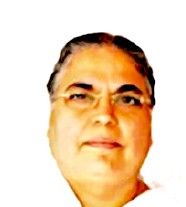
B.K. Pushpa is a Rajyoga teacher based in Delhi.