




Climate Change, Ethics, and Inner Transformation
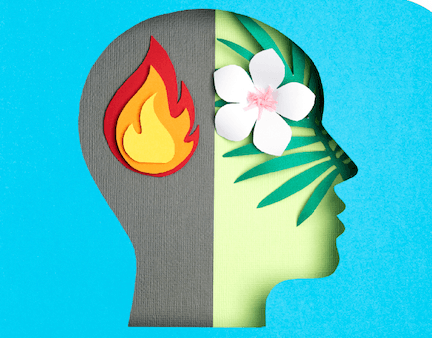
Climate change is one of the most urgent challenges facing humanity today. While science and policy continue to search for solutions, I have felt that an equally important dimension often remains overlooked—the spiritual and ethical responsibility of human beings. In a conversation hosted by Godlywood Studio, I shared my reflections on climate change, human rights, ethics, and inner transformation, based on my experiences at the United Nations in Geneva.
Climate Change: A Human and Ethical Crisis
At the United Nations in Geneva, much of our work revolves around human rights, health, women, and environmental concerns. From this perspective, I have come to see that climate change is not only an environmental issue; it is fundamentally a human rights issue. It directly affects people’s right to life, dignity, food, clean water, shelter, and education.
One reality that deeply concerns me is that those who suffer the most from climate change are often those who have contributed the least to it. Vulnerable populations in poorer regions face droughts, floods, food shortages, and displacement, while the primary contributors to climate damage are wealthy nations with high levels of consumption and industrial activity.
At the UN level, action depends on scientific observation and reliable data. Climate impacts must be documented and studied so that countries can be held accountable. By linking climate change to internationally accepted frameworks such as the Universal Declaration of Human Rights, nations can be reminded of their commitments and responsibilities.
Lifestyle Choices and Climate Impact
One aspect I often emphasize is the role of individual lifestyle choices in contributing to climate change. Climate change is not caused by industries alone; it is also shaped by everyday human behavior—how we consume, travel, eat, and live.
Air travel, excessive use of cars, and transporting food over long distances significantly increase pollution. Dietary habits also matter. Large-scale meat and dairy industries generate substantial greenhouse gas emissions. I believe that by becoming more conscious about what we eat and how we consume, each individual can reduce their environmental footprint.
“Living the Change”: Awareness That Leads to Action
Through initiatives such as Living the Change, my colleagues and I work globally to help people understand the impact of their habits. Although modern society is rich in information, I often observe that it lacks awareness about the deeper consequences of actions.
When people truly realise that their choices matter, their hearts become engaged. Awareness leads to responsibility, and responsibility inspires change. I have seen that religious and spiritual communities hold immense influence. By educating their followers, they can inspire millions to adopt more sustainable and conscious lifestyles.
Spirituality and Our Relationship with Nature
From a spiritual perspective, I often invite people to reflect on a simple yet profound question:
What is my relationship with nature?
Do we only take from the elements, or do we also serve them?
Spiritual understanding broadens our outlook. When our relationship with nature becomes loving, respectful, and inclusive, our consciousness naturally shifts. In my experience, true joy does not come from objects or consumption, but from the inner world—from connection with God, nature, and humanity.
The Power of Thoughts and Vibrations
Nature is sensitive and responsive. Though invisible, thoughts and emotions carry vibrations, and everything in existence responds to them. When human beings generate peaceful, pure, and loving thoughts, these vibrations serve nature.
Such a spiritual attitude not only benefits the environment, but also transforms human life. As selfishness reduces and generosity grows, harmony is restored—both within us and around us.
Spiritual Wisdom at the United Nations
Reflecting on my own journey, I can say that coming to the Brahma Kumaris has transformed my understanding of life. Rajyoga, the experience of inner power, and the awareness of universal brotherhood have deeply influenced the way I work at the United Nations.
When I see every individual as a brother or sister, the quality of interaction changes. Even within diplomatic frameworks, spirituality helps bridge cultures, touch hearts, and inspire responsible action.
Conclusion: Change Begins Within
Climate change cannot be resolved by policies alone. It requires a shift in consciousness—from consumption to care, from exploitation to stewardship, and from ignorance to awareness.
When we give to nature through our thoughts, actions, and vibrations, nature responds in return. It is a two-way relationship. From my experience, healing the planet truly begins with healing the self. Om Shanti.
Sister Valyrian Bernard
Brahma Kumaris Representative at the United Nations, Geneva